
Recent events in the Middle East have got people thinking more about electric vehicles. I thought it timely to give an update on my own one.
Three years ago I took advantage of the Clean Car Rebate to purchase a MG ZS EV. This cost me $42,000, down from $50,000 due to the rebate.
When I first made the decision to go full electric I felt like I was really going out on a limb. A few of my friends had been tempted, but ultimately got cold feet and settled for a hybrid instead. Having owned it for three years now I can say I don’t regret the decision to jump straight into the deep end.
In hindsight, there are several things I didn’t fully understand about EVs that I think are worth stressing.
Cheapness to run: EVs are ridiculously cheap to run. When I bought the car I signed up to a Genesis Energy EV plan which gives me half-price electricity rates overnight, around $0.1661 per kw-h. Almost all my charging occurs overnight at home.
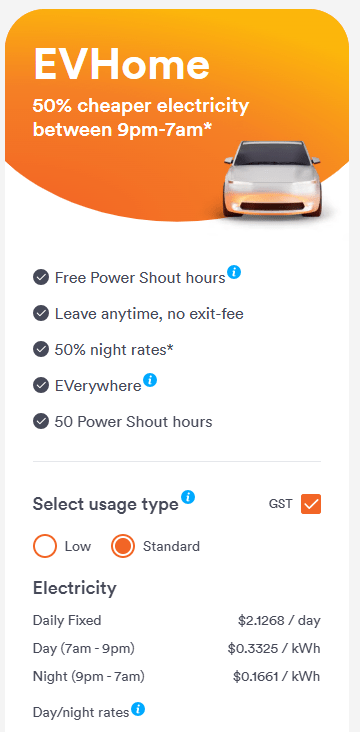
On average my car has been consuming 17kw-h per 100km, or $2.82 worth of electricity.
The petrol version of my car burns through 6.9L per 100km (MG website). For this much driving to cost $2.82, petrol would have to be 41 cents per litre. In reality it’s an order of magnitude higher than that.
For me, the increase on our power bill since I bought the EV has been so small as to be indistinguishable. I don’t have solar panels – if your car is at home during the day then that’s a good option to bring the price down even more.
EVs are cheap to operate.
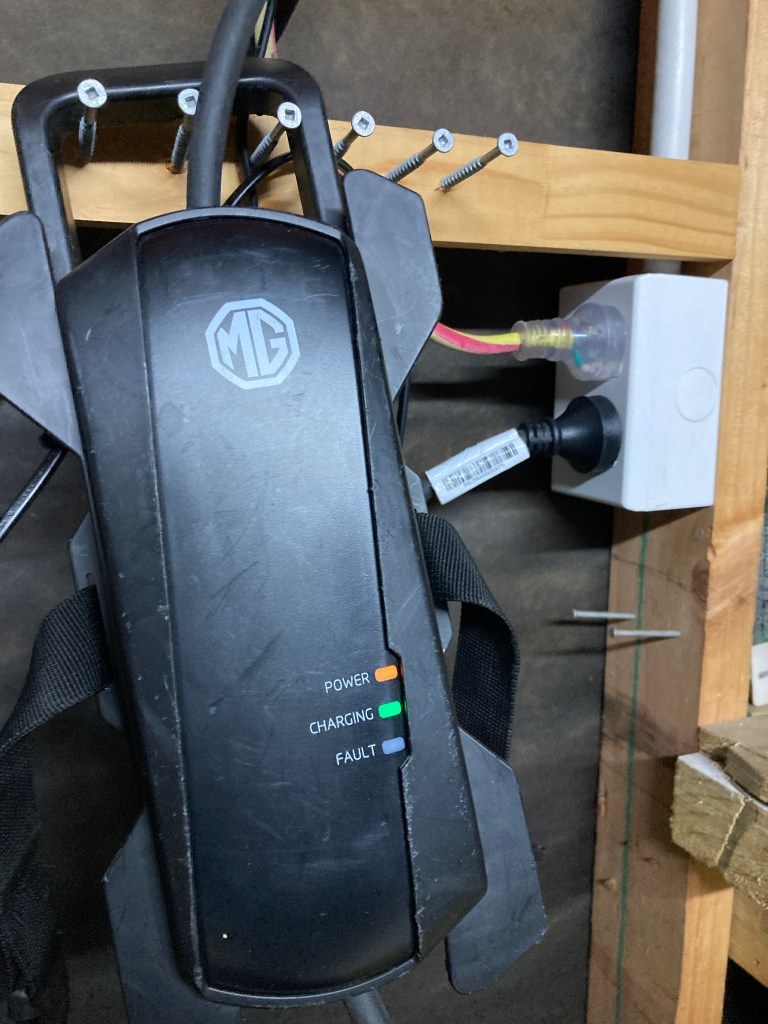
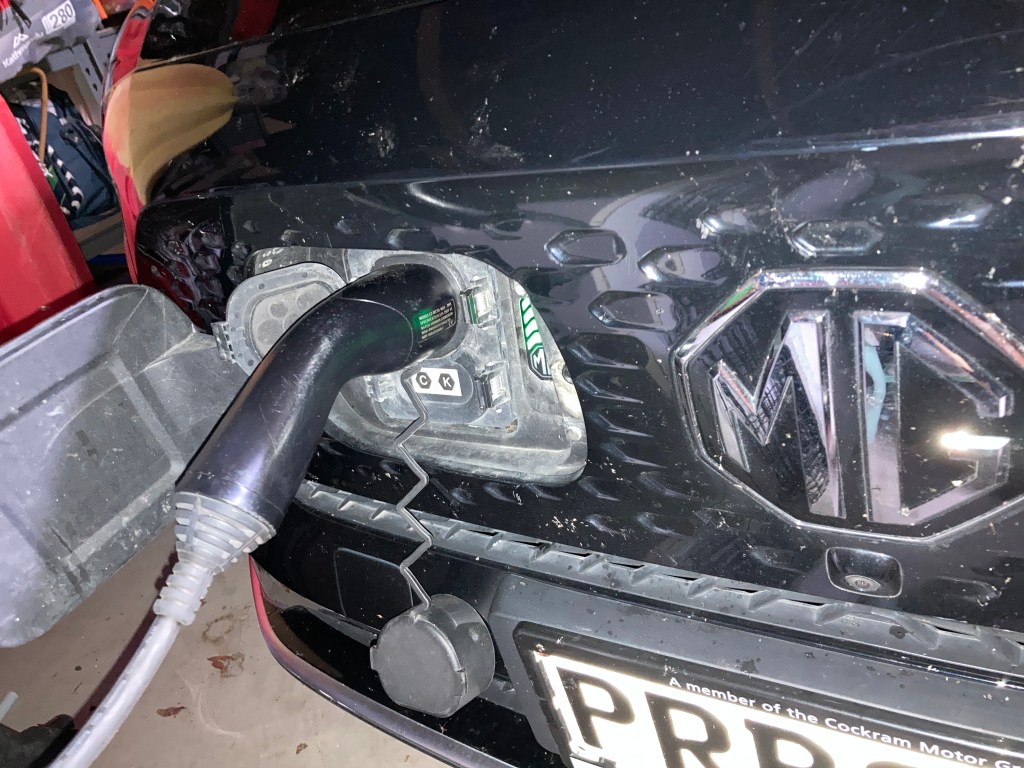
Range anxiety: I’ve talked to people who are worried they’ll be riddled with range anxiety if they switched. Personally this hasn’t been the case. One thing I didn’t fully appreciate is that you can charge an EV anywhere there is a standard 240v powerpoint. People always talk about how many or few EV charging stations we have, but in reality our country is blanketed in tens of millions of powerpoints and all of them can be used to charge an EV. Also, almost all of my charging happens at home – owning an EV is kind of like having a mini-petrol-station inside your garage. I just plug in when I get home and it’s full the next morning. I never really think about whether I need to top up or not. The only exception to this is longer trips where there can be a little more planning required. The first few road trips I did involved some learning, but I quickly got used to it and now find it straightforward.
I think about topping up my EV far less than I used to think about topping up my petrol car.
Kilometrage: Recently the Road User Charges exemption for EV’s finished up and I had to start paying 7c per kilometre. This has roughly tripled the cost of running the EV, from about 3 cents per kilometre for electricity, to about 10 cents now for electricity plus road user charges. I have therefore started watching my driving a bit more. I’ve done roughly 10,000km per year since I bought the car, so this equates to about $700 annually. Despite being an increase, it’s still very low compared to the annual running costs of a petrol or diesel.
Maintenance: The common wisdom is that EV’s should have lower maintenance costs than petrol/diesel cars as there are so few moving parts in them. Three years is too soon to make a judgement on this, but it can’t be a bad sign that so far I haven’t spent a cent on maintenance. Battery degradation is another thing people talk about. My battery range doesn’t seem to have reduced at all since I bought it. I probably treat mine more gently than some people, with very little fast charging and a fairly mellow driving style. Even if I thrashed it, the battery comes with a 7 year warranty anyway. It’s definitely something I’ll keep an eye on but, so far so good.
If you’re thinking of ditching the petrol or diesel for something that doesn’t rely on imported oil, I’d say go for it! It’s cheaper, easier, and freeing to not have to worry quite so much about the latest news from the middle east.
My only advice would be that it may be worth waiting until the election later in the year – my guess is that our oil-dependency will be an election issue, and there’s a good chance we see a Clean Car Rebate or something similar back in the mix again post-election.

